Arthritis comes in many forms, but four of the most common forms of arthritis are: osteoarthritis, rheumatoid arthritis, psoriatic arthritis, and lupus. There are several forms of treatment that are generally suggested including medications, lifestyle changes, and even surgery, but another form of treatment that is considered quite successful is massage.
Known to bring pain relief, improve mobility, reduce stress, and enhance blood flow, massage therapy can be an effective way to manage arthritic symptoms.
Depending on the type of arthritis that is in need of treatment, there may be a more effective form of massage for pain relief that could soften the effects. In this section, we will examine the most common forms of arthritis and discuss the benefits that come from massage therapy.
Key Takeaways
How Does Massage Help With Osteoarthritis?
Differing from rheumatoid arthritis, osteoarthritis is a wearing down of the cartilage in the joints after many years and generally affects older people.
Benefits of massage: massage therapy is useful for pain relief. The action of massaging the muscles around the point of pain can release muscle tension. This leads to a decreased swelling in the affected joints. Joints become more flexible, and overall, massage can bring about better posture.
How Does Massage Help With Rheumatoid Arthritis?
More common in women and older people, rheumatoid arthritis is a persistent autoimmune disease that causes joint inflammation.
Benefits of massage: one of the main benefits from rhythmic massage for rheumatoid arthritis is reduced inflammation in the joints. This can bring relief from pain from reduced muscle tension and improved blood circulation. A greater range of motion and a stress reduction can help rheumatoid arthritis sufferers get a better quality of sleep.
How Does Massage Help With Psoriatic Arthritis?
Usually appearing between the ages of 30 to 50 and affecting both men and women alike, psoriatic arthritis seems to develop from genetic and environmental factors although causes are uncertain.
Benefits of massage: apart from the usual benefits of massage such as pain relief, greater flexibility in the joints, and reduced inflammation, massage therapy for psoriatic arthritis can help to reduce symptoms of depression. As psoriatic arthritis usually is accompanied by visible scaly skin irritations, alleviating depression in the sufferers can be extremely beneficial.
How Does Massage Help With Lupus?
A disease that can mimic other ailments, lupus is an autoimmune disease that causes inflammation in the joints but also in many other parts of the body including the skin, blood, heart, etc.
Benefits of massage: because the pain from lupus can be severe, massage therapy can be effective at reducing pain for some. Massage can also increase a sufferer’s flexibility as well as increase blood flow through muscle stimulation. As lupus brings chronic pain, the alleviation of the pain can be very emotionally beneficial for someone afflicted with daily pain.
Types of Massage for Arthritis Relief
Now with an understanding of the benefits of massage therapy, which form of massage for arthritis might be the most advantageous to controlling the pain and discomfort from your particular form of arthritis?
Before committing to any type of massage therapy, consult with your doctor or physiotherapist to make sure arthritis massage therapy is right for you and that it’s safe if you have any other health concerns. It’s also important to inform your massage therapist that you have arthritis, prior to your massage, and specifically point out the particular affected joints.
Different massage techniques offer varying benefits. Here’s an overview of commonly used approaches and precautions:
|
Massage Type |
What It Does |
Avoid If You Have |
|---|---|---|
|
Long strokes, oils, relaxation-focused; improves flexibility and circulation |
DVT, fever, infections, skin issues, pregnancy |
|
|
Targets deep muscle tension; good for chronic pain and stiffness |
Osteoporosis, nerve damage, blood clots, skin infections |
|
|
Trigger Point |
Sustained pressure on muscle knots to relieve pain |
Open wounds, clotting history, some cancers, pregnancy |
|
Relaxation Massage |
Gentle, circular strokes, often with aromatherapy; promotes relaxation |
Flu, COVID, serious injury, blood clots |
|
Pressure on hand and foot points to balance energy pathways |
Skin or foot conditions, pregnancy |
|
|
Hot Stone Massage |
Warm volcanic stones relieve stress and anxiety |
Sensory loss (e.g. MS, diabetes), high blood pressure |
|
Manipulates fascia tissues to improve alignment and mobility (good for knees) |
Severe joint damage or osteoporosis |
|
|
Rhythmic finger pressure based on Japanese methods; promotes energy flow |
Pregnancy, blood disorders, or if fully clothed massage isn’t suitable |

Swedish Massage
Overview:
A classic massage style that uses oils or creams combined with long, flowing strokes and kneading techniques to promote relaxation and circulation.
Benefits for Arthritis:
- Relieves general muscle tension
- Enhances circulation to affected joints
- Promotes stress reduction and better sleep
- Improves overall sense of relaxation
Avoid If You Have:
- Deep vein thrombosis (DVT)
- Infections or fever
- Skin conditions (e.g. rashes, eczema)
- Pregnancy (without doctor’s approval)
Deep Tissue Massage
Overview:
Uses slow, firm pressure to target deeper layers of muscle and fascia. Often chosen by those with chronic pain or advanced joint stiffness.
Benefits for Arthritis:
- Reduces chronic muscle tension
- Improves posture and range of motion
- Breaks up scar tissue from prolonged immobility
- Supports joint flexibility
Avoid If You Have:
- Osteoporosis
- Nerve injuries or blood clots
- Skin infections
- Pregnancy (unless cleared by a healthcare provider)


Trigger Point Massage
Overview:
Applies sustained, focused pressure to tight muscle knots (“trigger points”) to relieve referred pain and increase circulation.
Benefits for Arthritis:
- Eases muscle knots near affected joints
- Enhances blood flow to tension areas
- Helps reduce localized pain
Avoid If You Have:
- Open wounds or skin trauma
- Blood clotting history
- Certain types of cancer
- Pregnancy (without clearance)
Relaxation Massage
Overview:
A gentle massage style using long strokes and circular movements, often paired with aromatherapy for stress relief.
Benefits for Arthritis:
- Reduces stress and anxiety
- Promotes a calm nervous system
- May indirectly improve pain perception and sleep
Avoid If You Have:
- Flu or COVID symptoms
- Active skin irritations
- Serious physical injuries
- Blood clot conditions


Reflexology
Overview:
Involves applying pressure to specific points on the hands and feet, believed to correspond to other areas of the body.
Benefits for Arthritis:
- Encourages relaxation through nerve stimulation
- May support circulation and reduce stress
- Can be helpful for patients who prefer indirect massage
Avoid If You Have:
- Chronic foot or leg conditions (e.g. neuropathy)
- Skin issues on hands/feet
- Pregnancy (unless guided by a trained practitioner)
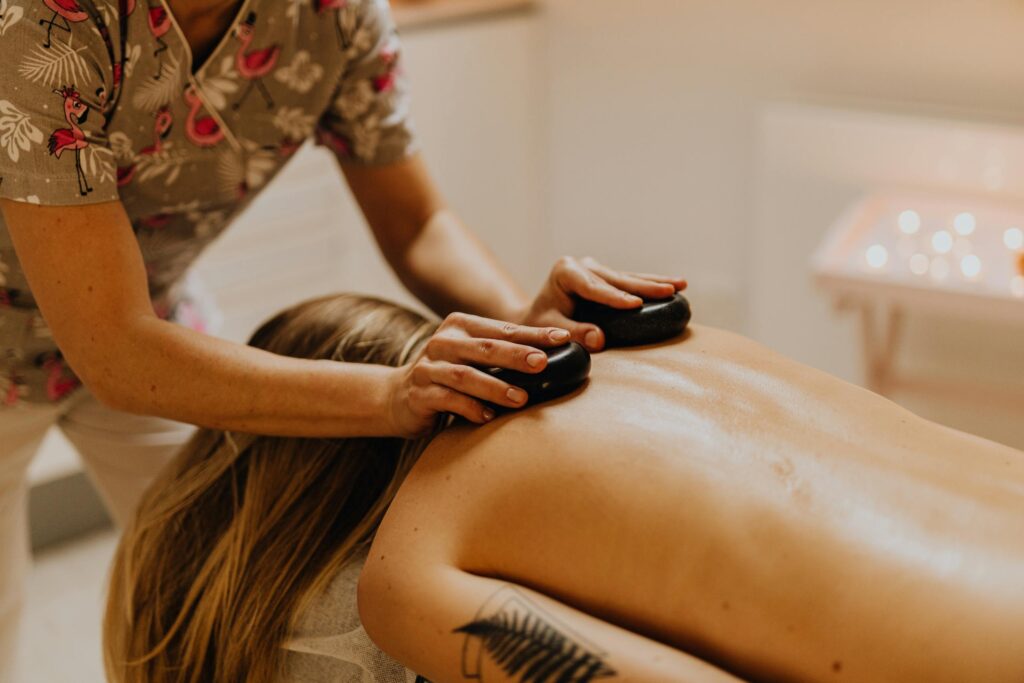
Hot Stone Massage
Overview:
Uses heated volcanic stones placed on the body to relieve deep-seated muscle tension and promote calm.
Benefits for Arthritis:
- Helps reduce stiffness and joint discomfort
- Enhances muscle relaxation
- Can relieve emotional tension linked to chronic pain
Avoid If You Have:
- Diabetes, MS, or other sensory loss conditions
- High blood pressure
- Difficulty regulating temperature perception

Rolfing (Structural Integration)
Overview:
A deep bodywork approach where therapists manipulate fascia while repositioning the body to improve alignment and motion.
Benefits for Arthritis:
- Improves joint mobility, especially in the knees
- Alleviates chronic muscular imbalances
- Enhances posture and gait over time
Avoid If You Have:
- Acute inflammation or severe joint damage
- Fragile bones or connective tissue disorders
- Post-surgical restrictions (without clearance)
Shiatsu
Overview:
A Japanese technique using finger and palm pressure in rhythmic sequences along energy meridians, aimed at restoring the body’s natural energy flow (qi).
Benefits for Arthritis:
- Promotes energy balance and whole-body relaxation
- May ease pain through nervous system regulation
- Often tolerated well by those who prefer clothed, non-oil-based therapy
Avoid If You Have:
- Blood disorders or bleeding risks
- Unstable medical conditions
- Pregnancy (unless practitioner is certified in prenatal shiatsu)

Book Your Next Massage for Arthritis
Whether you’re dealing with joint stiffness, inflammation, or stress caused by chronic pain, our Registered Massage Therapists at Positive Mind Wellness are here to help. We tailor each session to your condition and comfort level, guided by your physician’s recommendations if needed.
FAQs

About the Author
Joey Smith
Registered Massage Therapist
He then furthered his studies in healthcare with a Bachelor’s degree in Psychology in 2012. Most recently he earned a diploma in Massage Therapy in 2021.